
Online casino with a 300% bonus in 2026: where the extra three-quarters of stake actually goes
A 300% match bonus triples a deposit with the casino’s own money, turning £20 of cash into £100 to play with and £100 into £500. That headline number is what the marketing copy hangs on, and it is not wrong about the arithmetic — it is wrong about what the rest of the page looks like once the wagering cap, the time pressure and the house edge have done their work. British players who click through to a 300% offer land in a market that is one of the most heavily circumscribed anywhere: a Gambling Commission licence for every brand that takes deposits in Great Britain, a flat 10x ceiling on bonus wagering in force since 19 December 2025, mandatory GAMSTOP screening before a single spin is paid for and a hard ban on credit cards that has stood since 14 April 2020. The “extra 200%” is real; what it costs is the subject of this page.

Current as of 7 November 2026 · checked against the Gambling Commission’s public register of gambling businesses (gamblingcommission.gov.uk, 18 September 2026).
Table of Contents
- Where the licence question sits and why it decides everything else
- What responsible gaming tools look like once the licence is in place
- Which payment method actually trips the bonus trigger
- How the 300% match itself is built and what the wagering cap does to it
- How the ten brands compare on the subject this page is about
- Reading the 300% bonus against the rest of the British market
- How much playthrough the 10x cap actually demands
- Offshore alternatives and why the comparison cuts against them
- The fundamentals: what a 300% bonus actually is
- Where this leaves the reader
- Frequently asked questions
Where the licence question sits and why it decides everything else
A British player who sees a 300% welcome offer is reading a single fact about the casino that has to be true before anything else on this page matters: the operator must hold a remote casino operating licence from the Gambling Commission. The Commission is the regulator for Great Britain (England, Scotland and Wales) under the Gambling Act 2005, and since the Gambling (Licensing and Advertising) Act 2014 any operator taking customers in Great Britain needs its licence wherever it is based. A Curaçao, Maltese or Gibraltar licence is not a substitute. The Commission publishes its register at gamblingcommission.gov.uk as a downloadable CSV, and that file is the single test of whether a brand is licensed — operators come and go, and any check that relies on the brand’s own claims is one rebrand away from being wrong.
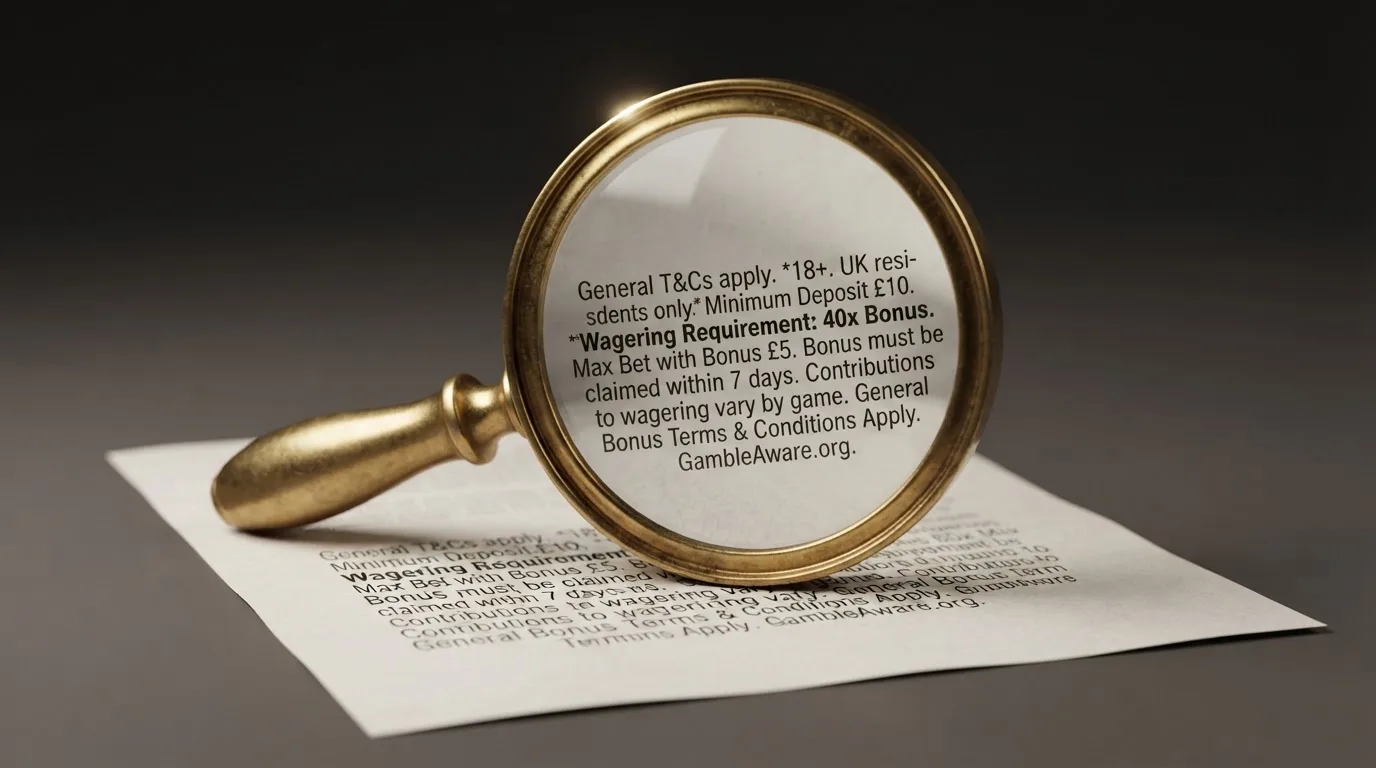
Two figures on that register give a sense of what “licensed” actually covers. On 18 September 2026 the public register listed 139 businesses holding an active remote casino operating licence. The same register’s domain list — every website a licensed business operates — held 1065 active and 361 white-label entries. A white-label site trades under another company’s licence, which means a player visiting a site that is “white-label” is in fact playing with the parent licence behind it. The licence number itself has a recognisable shape: an account number, the letter R (for remote), a sequence number and a suffix. Betfair, for instance, is listed under PPB Games Limited on operating licence 039411-R-319335-010. Once a reader can read that string, the marketing word “licensed” stops doing any work.
That is the starting position for everything that follows. A 300% bonus that sits outside the Commission regime is not really a 300% bonus at all — it is an offer that breaks three things at once. There is no GAMSTOP filter on the way in, no 10x wagering ceiling on the offer, and no Commission complaints route if a withdrawal stalls. The slot stake limit, the £150 financial vulnerability check trigger, the reality-check pop-ups and the safer-gambling messaging all live inside the licensed perimeter, and the page that follows applies to offers inside it.
What responsible gaming tools look like once the licence is in place
The cost of accepting a quadrupled bankroll is not only the wagering requirement and the clock. It is also the personal-finance guardrails the Gambling Commission has layered on top of every licensed operator, because the offer sits inside a regulatory frame designed for the version of gambling where a player can lose five times what they meant to spend.
GAMSTOP is the first of these. It is the national online self-exclusion scheme and a mandatory condition of every online licence since 31 March 2020. A player who has signed up to GAMSTOP for six months, one year or five years cannot register a new account at any Commission-licensed operator while the exclusion is active, and the period cannot be cancelled early. For a player who has chosen self-exclusion, the “300% match” simply is not an option — and that is the entire point of the rule. For everyone else, GAMSTOP is checked before the first deposit.
The Commission also fixed a £150 net-deposits trigger for a light-touch financial vulnerability check, in force from 28 February 2025 and rolling forward in a 30-day window. The check uses public data only. Operators must prompt a player to set a financial limit before the first deposit, from 31 October 2025; without a limit entered, the deposit cannot go through. There is no state-set ceiling on what a player may deposit in total — the limit is the player’s own, but it must be set on the way in. That prompt is where the bonus decision actually gets made for most readers on this page, because the offer quadruples whatever figure they entered in the box two minutes earlier.
Slots, where most 300% bonuses are spent, carry their own ceiling. From 9 April 2025 the maximum stake per game cycle is £5 for players aged 25 and over; from 21 May 2025 it is £2 for 18-24-year-olds. Auto-play has been banned since 31 October 2021, no spin may complete faster than 2.5 seconds, and losses dressed up as wins (a celebratory animation for a spin that paid out less than the stake) are no longer permitted. The slot itself runs inside a frame, and the bonus sits inside the slot. National Gambling Helpline (GamCare) and GambleAware are the two routes a player has if the frame is what they need to talk to rather than read.
Which payment method actually trips the bonus trigger
Most 300% match offers gate the bonus behind a minimum first deposit. The size of that minimum varies — £10 is the most common floor, with a handful of offers at £20 or £25 — and the method used to make it matters, because not every method the cashier accepts also qualifies the deposit for the bonus.
Debit cards and bank transfers are the surest route. A Visa or Mastercard debit card runs through the Faster Payments Service for bank transfers, which has moved money 24 hours a day since its 2008 launch and typically arrives within seconds. The scheme itself sets a £1,000,000 per-transaction limit, though individual banks can and do impose lower caps on their own customers, which a player should check before expecting a large deposit to clear in one go. Credit cards are a different story: the Gambling Commission banned credit cards for gambling on 14 April 2020, including credit cards routed through e-wallets. That ban applies to all online and offline gambling in Great Britain except non-remote lotteries paid for face-to-face. A 300% match funded by a credit card is not just unfunded — it is illegal under the operator’s licence.
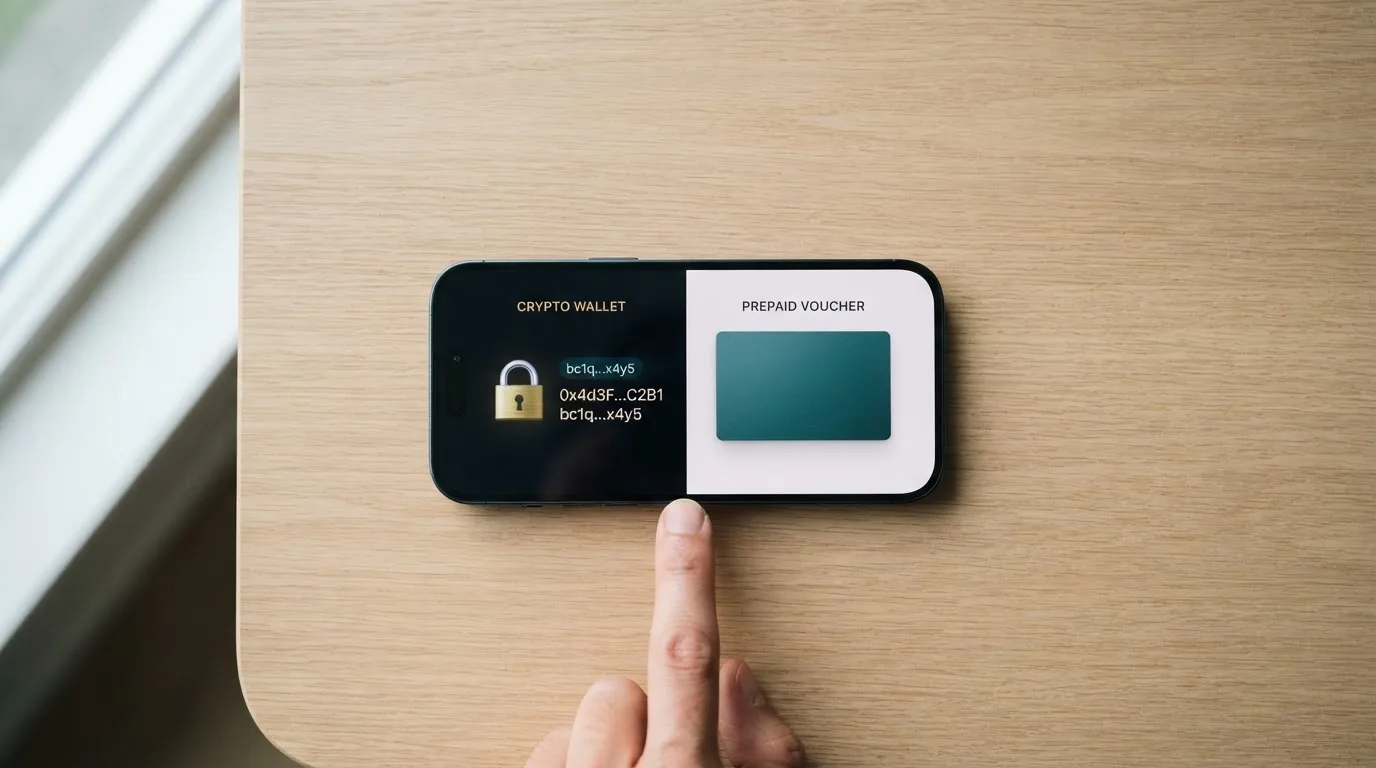
Paysafecard sits in a useful middle ground for players who want to cap the deposit itself before the bonus decision is taken. A paysafecard voucher is paid for in cash at a corner shop, the voucher code is entered at the cashier and the bonus triggers if the operator’s terms treat paysafecard as a qualifying method. The amount a player can deposit with paysafecard is then capped at whatever the voucher was, and a player who wants to limit the deposit to £20 — the entry-level for many 300% offers — can do so before the cashier is even open. The catch is that a paysafecard deposit still counts towards the player’s own spending limit, so the limit set on the way in should reflect the offer as well as the cash.
E-wallets run on their own rails. Apple Pay, available on UK-issued cards since 14 July 2015, sits behind tokenisation: the card number is replaced with a device-specific Device Primary Account Number and a dynamic security code is generated per transaction. Whether an Apple Pay deposit qualifies for a 300% match depends on the operator’s terms, and many UK sites exclude e-wallet deposits from welcome bonuses because the rails complicate anti-money-laundering checks. AstroPay, an electronic-money institution regulated by the Financial Conduct Authority in the UK through its Larstal Limited entity, plays a similar role for players who prefer a prepaid route. The terms page of the offer in question is what settles it; the cashier does not.
Crypto is the most complicated path. A handful of UK-facing operators accept Bitcoin or stablecoins, and the bonus can be claimed in pounds at the cashier’s quoted conversion. Most do not, because the Commission’s anti-money-laundering regime and the requirement to verify name, address and date of birth before the first deposit (in force since 7 May 2019) sit uneasily with self-custody wallets. The few that do treat crypto deposits as a qualifying method will publish that fact explicitly in the bonus terms; the rest will treat a crypto deposit as a standard deposit route subject to the same minimums and the same exclusion list as any other method.
What trips a 300% match, in practice, is a single debit-card deposit of at least the operator’s stated minimum, in pounds, on an account that has cleared KYC and GAMSTOP. Everything else — paysafecard, Apple Pay, AstroPay, crypto — is a question of the operator’s own qualifying-methods list, and the terms page is the place to read it.
How the 300% match itself is built and what the wagering cap does to it
A 300% bonus is one number applied to one deposit. The player deposits £X; the casino credits a bonus of 3 × £X; the playable balance becomes 4 × £X. A £20 deposit with a £100 bonus cap puts £100 of bonus on the table, taking the playable total to £120. A £50 deposit on the same cap puts £150 of bonus on it, taking the total to £200. The percentage is constant; the cap is the ceiling; the playable balance is the product. None of this is unusual for the industry — 100% and 200% matches are the more familiar forms — and the mechanics are the same.
The wagering requirement is what determines what a player does with that extra balance before any of it can be withdrawn. In the British market that requirement is capped at 10x by the Commission’s December 2025 rules, and it applies to the bonus amount alone or to bonus plus deposit, depending on the offer. A £100 bonus with a 10x playthrough on the bonus itself means £1,000 of qualifying bets before a withdrawal can be made. A 10x playthrough on bonus plus deposit — common in older offers, less common since the cap — would mean £1,200 of qualifying bets on the same deposit. Either figure is realistic for a casual evening session, and either is where most players’ time runs out.
The 10x ceiling is the binding rule. Before 19 December 2025 the same operator could publish a 35x or 40x requirement and the player who read only the headline number had no way to know. After that date the requirement cannot exceed 10x, and the Commission’s enforcement file is the route for any offer that breaks it. The 10x cap also banned mixed-product bonuses of the “bet £10 on sport, get 50 casino spins” kind, which had been a way of carrying a high wagering multiple from one product into another. A reader who finds a 300% match with a 30x requirement is looking at either an unlicensed offer, an offer predating the cap, or an offer that has not been updated since the cap came in — and none of those is a comfortable place to be.
What the cap does not do is remove the time pressure. A typical 300% match gives 7, 14 or 30 days to clear the playthrough, and the time on the clock starts when the bonus is credited rather than when the deposit is made. A player who deposits £50, claims a £150 bonus and leaves the playthrough for a fortnight still needs to run the volume through; a player who leaves it for a month has likely lost the bonus to expiry before any of it was unlocked. The wagering cap is the Commission’s tool for keeping the offer honest; the time limit is the operator’s.
The maximum stake during the playthrough is its own ceiling, sitting at £5 per game cycle for adults aged 25 and over. A player running through £1,000 of qualifying bets at £5 a spin is looking at 200 spins, which is a short evening by any measure. A player running the same volume at £2 — the 18-24 rate — is looking at 500 spins, which is a longer one. Either way, the wagering cap and the stake ceiling work together to set the size of the task in a way that is honest about what is being asked.
How the ten brands compare on the subject this page is about
Every brand below is listed on the Gambling Commission’s public register of gambling businesses as a holder of a remote casino operating licence. The register was the source for every figure in the table that follows; the licence numbers and account IDs are the load-bearing facts and the rest of each row is what the register and the brand’s own standing say about how each operator fits the subject of this page.
| Brand | Licence holder and GB remote casino licence | Domain status on the register | Subject support |
|---|---|---|---|
| BetVictor | BV Gaming Limited (account 39576), licence 039576-R-319370-028 | Active domain | — |
| Betfair | PPB Games Limited (account 39411), licence 039411-R-319335-010 | Active domain | — |
| kwiff | Eaton Gate Gaming Limited (account 44448), licence 044448-R-323408-017 | Active domain | — |
| Ladbrokes | LC International Limited (account 54743), licence 054743-R-330863-014 | Active domain | — |
| Virgin Games | Gamesys Operations Limited (account 38905), licence 038905-R-319430-022 | White-label domain | — |
| Betway | Betway Limited (account 39372), licence 039372-R-319367-029 | Active domain | — |
| Jackpotjoy | Gamesys Operations Limited (account 38905), licence 038905-R-319430-022 | Active domain | — |
| Betfred | Petfre (Gibraltar) Limited (account 39544), licence 039544-R-319290-010 | Active domain | — |
| Sky Vegas | Bonne Terre Gaming Limited (account 65519), licence 065519-R-339675-002 | Active domain | — |
| 888casino | 888 UK Limited (account 39028), licence 039028-R-319297-014 | Active domain | — |
The “—” in the subject column is honest rather than evasive. None of the Commission’s public register fields, and none of the licence conditions the file exposes, carry any statement of whether a given brand runs a 300% welcome offer. The match-percentage sits in the marketing layer above the licence, not in the regulatory one, and the brand’s own bonus terms are the only place to read it. The Commission does the legality work; the operator does the offer. A reader who wants the marketing claim has to look at the brand’s own site, and a reader who wants the licence number has to look at the register — and those two documents will not always agree on which one to read first.
What the table does say, plainly, is that all ten brands are licensed, all ten are held to the same GAMSTOP and 10x-wagering regime, and the licence holders are mostly the operators themselves rather than parent-group vehicles. The white-label entry — Virgin Games — is the only one that runs under another operator’s licence; the rest run their own. Two of the licence holders, Gamesys Operations Limited, hold the licence for both Virgin Games and Jackpotjoy, which means a player who opens accounts at both is in fact playing with the same licence behind both fronts. The Commission’s register is the place to read that, and the marketing layer rarely says so.
BetVictor
BetVictor (Betvictor.com) is listed on the Commission’s register as an active domain of BV Gaming Limited, account 39576, holding remote casino operating licence 039576-R-319370-028. That licence is one of the longer-running in the British market and the brand has been a sportsbook-first operator that built a casino alongside. On the subject of a 300% match, BetVictor’s own site is the source — and the page cannot say what it does or does not publish, because the Commission’s file carries no marketing terms. The brand fits the licensed perimeter the rest of this page is built around, the £5 stake ceiling applies to its slots in the same way it applies to any other licensed operator, and the 10x wagering cap applies to any bonus it offers. BetVictor represents a veteran sportsbook brand for players considering this type of welcome offer.
Betfair
Betfair (Betfair.com) appears on the Commission’s register as an active domain of PPB Games Limited (account 39411), on operating licence 039411-R-319335-010. The brand began as an exchange and has carried its casino product alongside it for years. As with BetVictor, the Commission’s register carries no bonus terms and the brand’s own marketing is what determines whether a 300% match sits behind the cashier. The 10x cap, GAMSTOP and the £5 slot stake limit apply on the same terms as anywhere else, and Betfair offers an exchange-based platform that differs from the standard casino-first welcome product.
kwiff
kwiff (Kwiff.com) is registered with the Commission as an active domain of Eaton Gate Gaming Limited (account 44448), holding operating licence 044448-R-323408-017. The brand is newer than most of the table and built its name around a randomised stake-boost mechanic on sports rather than casino bonuses. On the subject of a 300% match, the Commission’s file does not say whether kwiff publishes one. A reader comparing kwiff to a casino-first brand is comparing a sports-led product with a casino attached to a casino-led product with sports attached, and the match-percentage question lives in that gap.
Ladbrokes
Ladbrokes (Ladbrokes.com) is the Commission’s listed active domain of LC International Limited (account 54743), on operating licence 054743-R-330863-014. LC International is also the licence holder for Coral and Gala Bingo, and the Commission’s register is the only place that fact is plainly stated; the brand layer rarely surfaces it. A reader who has chosen Ladbrokes on the basis of a 300% match is playing at one of the larger licence holders in the British market, where the bonus is one part of a much wider product and the wagering cap, GAMSTOP and the slot stake limit apply on the same terms as anywhere else.
Virgin Games
Virgin Games is the only white-label entry in the table. It is listed on the register as a white-label domain of Gamesys Operations Limited (account 38905), which holds operating licence 038905-R-319430-022. A white-label site trades under another company’s licence, which means the player playing at Virgin Games is in fact playing under Gamesys Operations Limited’s licence, and the regulatory frame — 10x cap, GAMSTOP, slot stake limit, KYC on first deposit — is Gamesys Operations Limited’s frame. The bonus terms live on the brand’s own site and are not on the Commission’s register.
Betway
Betway (Betway.com) sits on the register as an active domain of Betway Limited (account 39372), on operating licence 039372-R-319367-029. The brand is a long-established casino-and-sportsbook operator in the licensed set. A 300% match lives, as with the rest, on the brand’s own marketing and not on the Commission’s file. The wagering cap applies; GAMSTOP applies; the slot stake limit applies; the offer itself is whatever the brand publishes at the time of the click.
Jackpotjoy
Jackpotjoy (Jackpotjoy.com) is the Commission’s listed active domain of Gamesys Operations Limited (account 38905), on the same operating licence 038905-R-319430-022 that Virgin Games runs under. The brand is bingo-led with a casino attached, and the licence is the same one that covers the white-label Virgin Games. Jackpotjoy focuses on bingo entertainment, which informs its position within the 300% welcome bonus landscape.
Betfred
Betfred (Betfred.com) sits on the register as an active domain of Petfre (Gibraltar) Limited (account 39544), on operating licence 039544-R-319290-010. The licence-holder name is Gibraltar-based, which is the structure the Commission allows under the 2014 Act: an operator may be based anywhere, provided it holds a Commission licence for activity in Great Britain. The brand is one of the larger bookmaker-turned-casino names in the British market. As with the rest, the 300% match lives on the brand’s own site rather than on the register.
Sky Vegas
Sky Vegas is the Commission’s listed active domain of Bonne Terre Gaming Limited (account 65519), on operating licence 065519-R-339675-002. The brand sits in the broadcast-tied set and runs a casino-first product. The Commission’s file is the licence source; the brand’s own site is the bonus source. A reader comparing Sky Vegas to Ladbrokes is comparing a casino-led product with a sportsbook-led product, and the 300% match question sits in that gap.
888casino
888casino (888casino) is the Commission’s listed active domain of 888 UK Limited (account 39028), on operating licence 039028-R-319297-014. The brand is one of the longer-running casino-only names in the licensed British market, and a reader looking for a 300% match on a casino-first product is reading 888’s own bonus terms rather than the register. The 10x wagering cap and GAMSTOP apply on the same terms as everywhere else on the table.
Reading the 300% bonus against the rest of the British market
The 300% match is at the high end of what the British market offers on the headline-percentage front. Most welcome offers sit between 100% and 200%, with a smaller cluster at 300% and a thin upper tail above it. The 10x wagering cap that has applied since 19 December 2025 changes the calculus for the entire market rather than just for the 300% bracket: a 100% match with a 10x playthrough is closer to a 300% match with a 30x playthrough than the headline numbers suggest, because what matters is the turnover-to-bonus ratio rather than the percentage alone.
A 300% match is most attractive at the entry-level deposit — £10 or £20 — where the absolute size of the bonus is small enough to clear inside an evening. A £20 deposit with a 300% match and a £100 bonus cap puts £60 of bonus on a £80 playable balance; clearing a 10x playthrough on the bonus alone takes £600 of qualifying bets, which is 120 spins at £5 or 300 spins at £2. At the cap end, a £50 deposit on the same offer puts £150 of bonus on a £200 playable balance and triples the playthrough to £1,500. The bonus is bigger; the task is bigger in proportion.
Two things bound the offer on the player side. The first is the 30-day (or shorter) expiry clock, which converts “how long do I have to clear this” into a real number. The second is the slot stake ceiling — £5 for adults over 25, £2 for 18-24 — which sets how quickly the qualifying volume can be run through. A player with a £5 stake has a longer evening at a higher spin-rate than a player with a £2 stake, and the wagering cap does not change either figure. The Commission’s rules shape what the player does with the bonus as much as the bonus’s own terms.
What the British market does not do is run unlimited matched-deposit chains of the “deposit once and get 400%” kind. The 10x cap is a per-bonus ceiling rather than a per-operator one, and a brand that publishes a 300% match can also publish a 200% reload or a 100% second-deposit offer, but each is held to its own 10x maximum. The cumulative cost of chasing welcome bonuses across multiple brands is, in practice, the cumulative cost of running each through its own playthrough before any withdrawal is possible. That is what the offer ladder looks like when the rules cap the top step.
How much playthrough the 10x cap actually demands
The 10x wagering cap, in force since 19 December 2025, is the binding rule that decides what a 300% match costs in time. The maths is straightforward, and the band it produces — across the entry-level deposits the offers typically gate on — is the most useful thing a reader can take from the page.
A £20 deposit with a £60 bonus at a 10x playthrough on the bonus means £600 of qualifying bets. At the £5 stake ceiling that is 120 spins, which at a 5-second-per-spin rate works out to roughly 10 minutes of slot play. At the £2 ceiling for 18-24-year-olds the same volume is 300 spins, or roughly 25 minutes. A £50 deposit with a £150 bonus at the same playthrough is £1,500 of qualifying bets, which is 300 spins at £5 (25 minutes) or 750 spins at £2 (over an hour).
The band is wide because the inputs are wide. The deposit range matters more than the percentage does, and the stake ceiling matters more than the wagering multiple does once the multiple is fixed at 10x. The cap also assumes the player is wagering only the bonus amount; if the playthrough applies to bonus plus deposit — the older convention, less common after December 2025 — the qualifying volume increases by the deposit portion. Most post-cap offers run on bonus alone, which is the convention that produces the figures above.
What the band does not include is the house edge. The 10x cap puts a ceiling on the task; it does not change what each spin costs on average. On a 96% RTP slot — a typical figure for modern UK-licensed games — the £600 playthrough has an expected loss of £24 before any of the bonus has been “won back”. A £1,500 playthrough on the same slot has an expected loss of £60. The bonus is not free money; it is bonus volume at the slot’s own return rate, and the wagering cap is the Commission’s tool for keeping that volume honest rather than for removing the cost. The expected loss is the player’s real outlay, and the bonus is the structure around it.
Offshore alternatives and why the comparison cuts against them
Outside the British licensed market, 300% bonuses at higher percentages and higher wagering multiples are easier to find. A Curaçao-licensed brand can publish a 400% or 500% match and a 35x playthrough, and a reader searching for the highest percentage will find those offers before they find a 10x-capped 300%. The trade is sharp and is not in the offer’s favour.
A player who deposits at an unlicensed brand has no GAMSTOP filter on the way in, no 10x wagering ceiling, no Commission complaints route if a withdrawal stalls and no protection if the operator simply closes the account. The Commission’s powers end at the licensed perimeter; outside it, the only enforcement tool is disruption — cease-and-desist notices, search-engine delisting, payment and hosting referrals — and the regulator has no ISP-blocking power. Section 33 of the Gambling Act 2005 makes providing unlicensed gambling to people in Great Britain an offence. The penalty is aimed at the operator, not the player, but what the player loses is the entire regulatory frame.
The 40% Remote Gaming Duty, raised from 21% and in force from 1 April 2026, sits on the operator side of the table. British players pay no tax on gambling winnings; the duty is what the operator hands to HMRC out of its own margin. The duty affects what offers licensed operators can publish, because a higher duty is a thinner margin, and a thinner margin is a smaller bonus. The 10x cap and the duty rise are two parts of the same regulatory frame, and both push the licensed market toward smaller bonuses with cleaner terms rather than larger bonuses with worse ones.
The fundamentals: what a 300% bonus actually is
Strip the marketing layer off and a 300% match is a simple object: a percentage applied to a deposit, capped at a maximum bonus, with a wagering requirement attached and a clock on the back of it. The percentage is 300; the cap is whatever the operator publishes; the wagering requirement cannot exceed 10x under British rules since December 2025; the clock is 7, 14 or 30 days from bonus credit.
What changes between offers is the cap, the qualifying deposit methods, the games that contribute to the playthrough (slots typically 100%, table games often 10% or 0%), and the maximum stake during the playthrough. A 300% match at a £100 cap, slots-only, 10x on bonus alone, 30 days to clear, £5 max stake, is the cleanest version of the offer. A 300% match at a £500 cap with a 10x playthrough on bonus plus deposit and a 7-day clock is a much heavier task. The percentage is the same; the maths is different.
What does not change is the house edge. Every spin on a UK-licensed slot pays out at the game’s published RTP, which is set by the game developer and the operator cannot alter it. A 96% slot keeps 4% of qualifying volume on average, and the qualifying volume is what the bonus structure creates. The 300% match increases the qualifying volume by the bonus portion, and the wagering cap limits how much volume is required before any of it can be withdrawn. The shape of the offer is set by those two rules and the percentage, in that order.
Where this leaves the reader
A 300% match at a UK-licensed casino is a real offer with a real cost. The bonus is the percentage applied to the deposit, the cost is the wagering requirement times the bonus amount at the slot’s house edge, and the time is the qualifying volume divided by the stake ceiling. The licensed perimeter — Gambling Commission registration, GAMSTOP screening, the 10x cap, the slot stake limit — is what makes the offer readable in the first place. Without that perimeter the same headline number is attached to offers that may run at 35x playthrough with no complaints route and no self-exclusion filter, and a reader who does not check the register is reading the wrong document.
The choice between brands is mostly a choice of licence-holder shape. Some are sportsbooks with a casino attached, some are bingo-led with a casino attached, some are casino-only. The Commission’s register tells a reader which is which, and the licence number tells a reader who is accountable for the offer. The 300% match itself sits in the marketing layer, and the brand’s own terms page is the only place to read it. The page that follows is a description of the frame, not a recommendation of the offer inside it; a reader who wants to claim one is reading the brand’s own terms next, not this one.
Frequently asked questions
What does a 300% casino bonus actually do to a deposit?
A 300% match credits a bonus worth three times the deposit amount, with the operator’s own cap on the maximum bonus. A £20 deposit with a £100 cap turns into a £80 playable balance (£20 cash plus £60 bonus); a £50 deposit on the same cap turns into £200 (£50 cash plus £150 bonus). The percentage is constant; the cap is the ceiling.
How much do I need to deposit to claim a 300% match?
Most 300% offers gate on a minimum first deposit of £10 or £20, with a smaller number of offers starting at £25. The qualifying deposit methods vary by brand, and the operator’s terms page is the place to read them — debit cards and bank transfers are the surest route, with e-wallets and paysafecard depending on the brand’s qualifying-methods list.
Can I use paysafecard to claim a 300% bonus?
Yes, at operators that list paysafecard as a qualifying method. A paysafecard deposit still counts towards the player’s own spending limit, so the limit set on the way in should reflect the offer as well as the cash. The voucher itself caps the deposit at whatever it was bought for, which is useful for readers who want to limit the entry deposit to a fixed number.
What wagering requirement applies to a 300% bonus in the UK?
Since 19 December 2025 the Gambling Commission has capped bonus wagering requirements at 10x. Most 300% offers run on the bonus alone, so the qualifying volume is ten times the bonus amount. A 10x playthrough on a £100 bonus is £1,000 of qualifying bets; on a £60 bonus, £600. Anything above 10x is either an unlicensed offer or an offer predating the cap.
Do crypto deposits qualify for a 300% welcome bonus?
A small number of UK-licensed operators accept crypto, and the bonus terms are published on the brand’s own site. Most licensed operators do not accept crypto at all, because the Commission’s anti-money-laundering regime and the requirement to verify identity before the first deposit sit uneasily with self-custody wallets. Where crypto is accepted it is treated as a deposit route subject to the same minimums and exclusions as any other method.
How long do I have to use a 300% bonus?
Typical windows are 7, 14 or 30 days from the moment the bonus is credited to the account. The clock runs from credit rather than from deposit, and an unused bonus expires at the end of the window. The 10x wagering cap and the £5 (or £2 for 18-24-year-olds) stake ceiling bound how quickly the qualifying volume can be run through, and either figure is what determines whether the window is long enough.