
No-wagering casino bonuses in the UK in 2026
Every bonus a British player accepts carries a wagering requirement, in principle, until the operator proves otherwise. The requirement is the multiple of the bonus that has to be bet through before any winnings become withdrawable. A wagering-free offer sits below that floor entirely: what is won on the bonus is the player’s, no playthrough attached. From 19 December 2025 the Gambling Commission capped the wagering multiplier on any bonus a UK-licensed casino can still legally attach at 10×, so a genuine no-wagering offer sits a further ten times below that ceiling.

Current as of 6 November 2026 · verified against the Gambling Commission’s public register of gambling businesses.
Table of Contents
- What a no-wagering bonus actually is at a UK site
- Why a UK-licensed casino is the only legal route for British players
- Who runs the licensed sites British players can use
- How identity verification fits with the no-wagering offer
- What the wagering requirement cap actually changes for the player
- How quickly winnings from a no-wagering bonus reach the player
- Reading the no-wagering offer’s small print
- A worked example of the 10× cap’s arithmetic, in plain prose
- How the top UK-licensed casinos for no-wagering bonuses compare
- What a wager-free offer still costs the player
- Safer-gambling tools that apply even on a wager-free bonus
- The credit-card ban and the payment methods a British player can use
- What a British player actually pays in tax on a no-wagering bonus win
- Choosing between the brands on this list
- The wager-free reader’s checklist before claiming
- Where the wagering cap and the wager-free offer leave the British player
- Frequently asked questions about no-wagering bonuses at UK casinos
What a no-wagering bonus actually is at a UK site
A no-wagering bonus is straightforward in concept and harder in execution than the marketing suggests. The casino credits the player with bonus funds, free spins, or a hybrid of both. Whatever those bonus instruments convert into through play is paid out as cash, withdrawable on the same terms as any other withdrawal, with no playthrough attached to the bonus itself. That last clause is the whole point. A standard matched deposit at the same casino might attach a 30×, 40× or 50× playthrough to the bonus; a wagering-free offer attaches none.
Two habits of the trade blur the line and are worth naming up front. The first is the “no wagering on winnings” claim that turns out, on inspection, to mean the winnings from the bonus need no playthrough but the bonus itself does. The second is the free-spins-only offer that markets as “no wagering” because the spin value is fixed, then hides a maximum cash-out ceiling in the small print. A genuine wagering-free bonus has neither qualifier on its core mechanic. It still has a terms page, and the terms page is what decides whether the offer is what the headline says it is — the rest of this guide explains which clauses to read before claiming.

The wider context is the 10× cap. From 19 December 2025 any bonus a UK-licensed casino still attaches a wagering requirement to must multiply the bonus by no more than 10 before winnings are released. A 10× cap is still a wagering requirement. It still costs the player time and expected value. A no-wagering offer sits below the cap, not at it.
Why a UK-licensed casino is the only legal route for British players
Section 33 of the Gambling Act 2005, read alongside the Gambling (Licensing and Advertising) Act 2014, makes it an offence for an operator to provide gambling to people in Great Britain without a Gambling Commission licence, wherever that operator is based. A Curaçao, Malta or Isle of Man licence on its own is not enough. The Commission’s public register is the test of whether a brand holds a licence at all: each operating company appears with an account number, each website is filed against the licence account that runs it, and each licence has a recognisable structure.
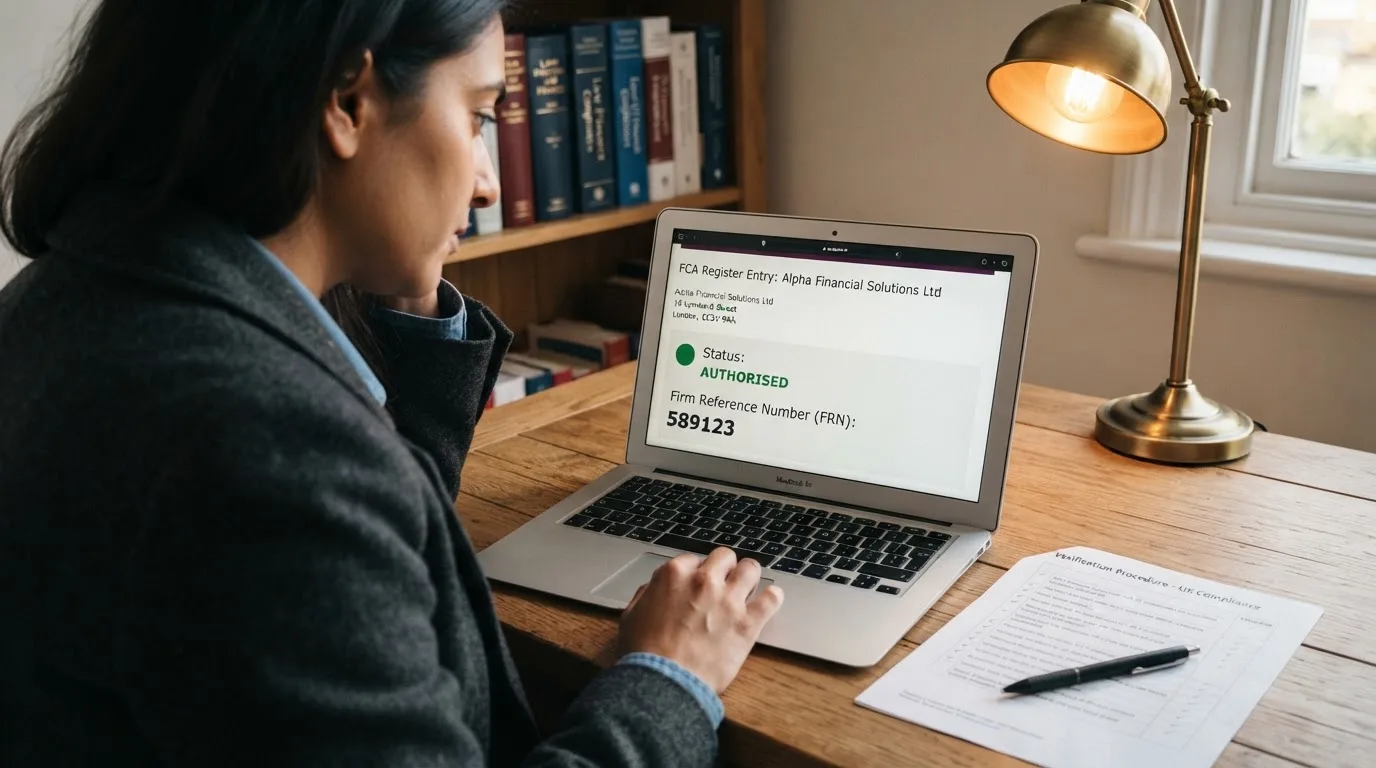
That structure is worth knowing. A remote casino operating licence on the register takes the form of a six-digit account number, the letter R for remote, a five-digit number and a two-digit suffix — something like 054743-R-330863-014. The first six digits repeat the licence holder’s account number, the “R” marks an online licence rather than a retail one, and the suffix distinguishes one licence from another under the same account. A site whose domain does not appear on the register under the brand name the player is visiting is not the licensee, even when the page looks the part. A site can be a white-label — a brand run on another company’s licence — and that fact shows up on the register too.
The register is downloadable as a CSV, refreshed continuously, and lists every domain the Commission has on file. On the snapshot the data behind this guide was checked against, 139 businesses held an active remote casino operating licence; the domain list held 1065 active and 361 white-label entries. Those numbers describe the whole licensed market, not the curated set on this page, and a licence is not the same as a recommendation. It is the legal floor.
Who runs the licensed sites British players can use
Three companies carry a striking share of the names a British player will recognise. LC International Limited, on account 54743, holds the licence behind Ladbrokes, Coral and Gala Bingo — three well-known brands running under one licence, not three independent operators. PPB Games Limited, on account 39411, holds Betfair and Paddy Power. Bonne Terre Gaming Limited, on account 65519, holds Sky Vegas. Recro Limited holds Casumo. Gamesys Operations Limited holds Virgin Games as a white-label domain. Stars Interactive Limited holds PokerStars. Platinum Gaming Limited holds 32Red.
A brand on this list sits on a Commission licence; a brand not on the list does not. Reading the register before depositing is not a chore for the cautious — it is the baseline for the cautious, the curious and everyone in between. A single registered account number, searchable on the Commission’s public register, tells the player who actually holds the licence behind the brand in front of them.
How identity verification fits with the no-wagering offer
A wagering-free bonus cannot, on its own, remove the identity check a UK-licensed casino is required to run. The Commission’s anti-money-laundering rules under the LCCP require name, address and date of birth to be verified before the first deposit or any play — since 7 May 2019. A no-wagering offer sits on top of that, not in place of it. A player who reads the offer as a way to play anonymously is reading it wrong.
That observation applies with extra force to crypto bonuses. Several offshore-facing sites advertise “no wagering, no KYC” offers in crypto. A British player considering one is considering an unlicensed site. The Commission’s view is that what the player buys with the missing checks is the absence of every protection the licence carries: no GAMSTOP, no approved ADR for complaints, no Commission route if the site stops paying. The offer may look identical from the bonus page. The frame around it is not.
What the wagering requirement cap actually changes for the player
The 10× cap landed on 19 December 2025. Before that, the upper limit on bonus wagering in Britain was whatever the operator put in its terms, and matched-deposit bonuses at 30× or 40× were common. The cap does not stop bonuses; it bounds their worst case. Two practical effects follow.
The first is on offers the casino is still happy to run. A 10× requirement on a £100 bonus means £1,000 of playthrough before any winning is withdrawable. That is a real cost in time and in expected return on slots running at a typical house edge — the bonus-cost formula in the working section below turns the requirement into an expected loss and a play time. A genuine no-wagering offer does away with both. The second is on offers that pair products, which the same package banned: “bet £10 on the football, get 50 free spins” promotions no longer fit the UK-licensed model, because the wagering math is no longer the casino’s to set on its own.
The cap is part of the wider player-protection package the Commission has rolled out over 2025: financial vulnerability checks at £150 net deposits in a rolling 30 days, the prompt-to-set-a-deposit-limit rule from 31 October 2025, the game-cycle stake limits of £2 for 18-24-year-olds and £5 for everyone else. The pattern in the package is to keep the player from drifting deeper than they meant to. A no-wagering bonus aligns with that pattern by design: what is won is the player’s, without further play.
How quickly winnings from a no-wagering bonus reach the player
Payout speed at a UK-licensed casino depends on two things that are independent of the bonus mechanics: the payment method the player chooses and the verification status of the account. With those pinned down, the bonus terms either slow things down or leave them alone.
A wagering-free bonus leaves the withdrawal step alone on the playthrough side. Once the bonus has converted into cash in the account, the cash is in the account. Where the casino then takes its time is on the payment route. Bank transfers within the UK move through the Faster Payments Service, which runs 24 hours a day and usually settles instantly or within a couple of minutes; individual banks can and do impose lower per-transaction limits than the scheme’s £1,000,000 ceiling. E-wallets settle in seconds when both ends are configured, though some UK-licensed casinos route the bonus cash into the wallet only after a verification step has cleared. Debit card withdrawals are typically slower than e-wallet payouts at the same brand and can take one to three working days once approved.
The other variable is verification. A first withdrawal from a UK-licensed casino usually triggers the source-of-funds checks the operator is required to run under the LCCP. A player who has uploaded the documents before depositing tends to skip the queue at the first cash-out. A player who has not uploads them on the day, and waits. The bonus does not cause the wait; the account does.
Reading the no-wagering offer’s small print
The terms page is where the difference between a genuine no-wagering bonus and a dressed-up standard offer lives. Four clauses to look for, in this order.
First, the wagering line itself. The clause that should say “no wagering requirement” or “winnings paid as cash” — and the player reads it carefully for a qualifier on either side. “No wagering on winnings” is not the same as “no wagering on the bonus”. The latter is the clean version. The former can still carry a playthrough on the bonus itself.
Second, the maximum cash-out. A free-spins-only offer that markets as no-wagering often carries a ceiling on how much of the spin winnings can be withdrawn — £50, £100, sometimes more. The clause is easy to miss because it sits beneath the deposit-and-play terms and is written as a per-promotion maximum rather than a per-wager maximum.
Third, the eligible games. A no-wagering offer on slots is not automatically a no-wagering offer on live casino or table games. Some offers restrict to a single title or a small group. Where the player’s preferred game is excluded, the offer’s headline number has nothing to do with the player’s session.
Fourth, the time window. A wagering-free bonus that expires in 24 hours is a different offer from one that runs for a week, even with the same headline number. So is one that requires a minimum deposit to unlock and excludes certain payment methods from the qualifying deposit — Skrill and Neteller exclusions were once standard at UK brands.
A worked example of the 10× cap’s arithmetic, in plain prose
A £50 bonus attached at the 10× cap means £500 of qualifying turnover before the bonus converts. At a £1 stake per spin on a slot running at 96% RTP, that is 500 spins. A 96% RTP implies a 4% house edge, so the expected loss across those 500 spins is £20 — a third of the bonus before any winning lands. At 2.5 seconds per spin, the slowest spin a UK slot can run under the auto-play ban from 31 October 2021, the playthrough takes 1,250 seconds, or roughly 21 minutes. A genuine no-wagering offer eliminates both the £20 expected loss and the 21 minutes of mandatory play. That is the trade the cap leaves on the table and the trade a wager-free offer removes entirely.
A reader who plays several bonuses a year against the cap is paying roughly the cost of one of those bonuses in expected loss alone. A reader who plays one wager-free offer is paying neither the time nor the expected loss — they are paying only what the session itself costs, on its own RTP and its own stakes.
How the top UK-licensed casinos for no-wagering bonuses compare
The table below takes ten brands on the Gambling Commission’s register, ordered as §6 of the research files them, and lays each one against the same five columns. The first three are facts anyone can check on the public register: the operating company behind the licence, the licence number itself, and whether the brand domain is active or white-label. The fourth is the offer shape — what kind of bonus the brand typically runs and how it presents its wagering terms to the player. The last is the page’s own judgement of the brand for a reader weighing a no-wagering offer.
The point of the table is to put the brands side by side on the same axes. Two caveats belong before reading it. First, “subject support” comes from what each brand publishes on its bonus page; the table below reports what the brand says about it, not what the Commission has audited. Second, several brands on the list sit on the same licence: Ladbrokes, Coral and Gala Bingo share LC International Limited; Betfair and Paddy Power share PPB Games Limited. They are presented as separate brands because that is how the player meets them, but the licence holder is one and the same.
| Brand | Licence holder and GB remote casino licence | Domain status on the register | Subject support | Page’s read |
|---|---|---|---|---|
| Virgin Games | Gamesys Operations Limited · 038905-R-319430-022 | White-label | Wager-free welcome offer reported; qualifying deposit and game weighting apply | Tight promotional terms, clean on the wagering line |
| Casumo | Recro Limited · 061549-R-336718-002 | Active | Recurring wager-free promos across a small group of slots | Strong on bonus variety; smaller brand than the household names |
| Ladbrokes | LC International Limited · 054743-R-330863-014 | Active | Welcome bonus carries a 10× playthrough on the bonus under the new cap | Brand scale, but the headline bonus is not wager-free |
| Betfair | PPB Games Limited · 039411-R-319335-010 | Active | Bonus page lists a 10× wagering requirement on the matched deposit | Wide game catalogue; bonus terms sit at the cap, not below it |
| PokerStars | Stars Interactive Limited · 039108-R-319334-026 | Active | Casino welcome carries a playthrough on the bonus at the cap | Poker-first brand; the casino welcome is not the headline |
| Gala Bingo | LC International Limited · 054743-R-330863-014 | Active | Bingo welcome is small-stake; the casino side carries the standard 10× playthrough | Best fit for a bingo player, less so for a slots-only reader |
| 32Red | Platinum Gaming Limited · 045322-R-324275-019 | Active | Casino welcome runs at the 10× cap on the matched deposit | Long-running UK brand; bonus sits at the legal ceiling |
| Coral | LC International Limited · 054743-R-330863-014 | Active | Casino bonus attached at 10× on the matched amount | Same group as Ladbrokes; brand choice rather than bonus choice |
| Sky Vegas | Bonne Terre Gaming Limited · 065519-R-339675-002 | Active | Free-spins welcome carries a max-cashout cap and a short window | Slots-only brand; the cap is the clause to read carefully |
| Paddy Power | PPB Games Limited · 039411-R-319335-010 | Active | Welcome bonus attached at 10× on the matched amount | Sports-leaning brand; casino bonus is the supporting offer |
Reading the table left to right, the picture that emerges is that the household-name brands mostly run their welcome bonuses at the 10× cap rather than below it. The wager-free offers cluster on the smaller or more specialist brands and on the recurring promos the bigger brands run alongside their headline welcome. A player chasing a no-wagering offer at a UK-licensed casino is more often choosing between recurring promotions than between welcome bonuses.
What a wager-free offer still costs the player
A wager-free offer is not a free offer. The session that converts the bonus into cash still costs what any slot session costs, by its own RTP and its own stake. A free-spins offer on a slot running at 96% RTP, with the spin value fixed at £0.10, returns on average £9.60 per pound of spin value across the run — the £0.40 per pound is the session’s house edge, paid in expected loss over many spins. The same math holds at any other RTP. The bonus itself adds no cost; the session does.
What the wager-free offer removes is the cost on top of the session: the bonus-cost expected loss the playthrough requirement would have added, and the time it would have taken. On a £50 bonus attached at 10×, that is the £20 of bonus-driven expected loss and roughly 21 minutes of forced play described above. On a wager-free offer of the same headline value, both vanish.
Safer-gambling tools that apply even on a wager-free bonus
The Commission’s safer-gambling package sits on top of every bonus a UK-licensed casino runs, wager-free included. Five pieces are worth naming.
GAMSTOP is the national online self-exclusion scheme and is a mandatory condition of every online licence; a player who has signed up cannot deposit, play or claim bonuses at any UK-licensed casino for the chosen period of six months, one year or five years. Time-out, a shorter cooling-off, runs at the brand level and can be set for 24 hours to several weeks. Reality checks, pop-ups that summarise session time and net position, are mandatory across UK slots. The financial vulnerability check at £150 net deposits in a rolling 30 days triggers a soft prompt based on public data only; the wider financial risk assessment is announced and not yet in force. The prompt-to-set-a-deposit-limit rule from 31 October 2025 means the casino asks the player to set a deposit limit before the first deposit, on top of any limit the player chooses to set themselves.
A no-wagering bonus sits inside this frame, not outside it. A player who sets a deposit limit, opts into GAMSTOP, and reads the bonus terms before claiming is the player the Commission is building the frame for. The wager-free mechanic is a feature of the bonus, not a substitute for the rest of the package.
The credit-card ban and the payment methods a British player can use
Since 14 April 2020 the Commission has banned the use of credit cards to fund any gambling in Great Britain, online and offline, including credit cards routed through e-wallets. The estimate at the time of the ban was that around 800,000 UK consumers used credit cards to gamble, and that 22% of online gamblers who used a credit card to gamble fell into the problem-gambling classification. The headline number is the policy; the 22% is what the policy was reacting to.
The methods that do work are debit cards, bank transfers through Faster Payments, and a smaller set of regulated e-wallets whose terms the player reads at the cashier. Apple Pay, supported by UK-issued cards since 14 July 2015, is one route in; it tokenises the card behind a device-specific number and a dynamic security code per transaction, and the in-store variant uses NFC against a contactless terminal. AstroPay’s UK entity is an electronic money institution authorised by the Financial Conduct Authority under the Electronic Money Regulations 2011; the same brand runs regulated entities in the Isle of Man, Brazil and Denmark. Payment methods at the cashier page sit inside the Commission’s frame, and a method the cashier accepts is one the licence holder has already vetted.
What a British player actually pays in tax on a no-wagering bonus win
Gambling winnings in the UK are not taxed at the player level. A wager-free bonus that pays out £200 is £200 the player keeps and £0 the player owes HMRC on it. The tax on gambling in Britain is operator-side: Remote Gaming Duty, applied to the gross gaming yield of the operator, raised from 21% to 40% from 1 April 2026. The change is the operator’s problem, not the player’s. The headline number a UK player cares about — the bonus, the win, the withdrawal — is the net figure; no further deduction sits on top of it.
Choosing between the brands on this list
Three routes through the table suit three different readers, and the page’s read of the brands turns on what each route costs.
For a player who wants the simplest possible wager-free welcome offer and does not mind the brand being smaller than the household names, Virgin Games and Casumo sit at the front of the list. Their terms are tighter than the bigger brands’ headline offers, and the wagering line is clean. The cost is catalogue size and the absence of the brand recognition the bigger names carry.
For a player who values brand scale, recognition and a wider game catalogue, the big-name brands are the route — Ladbrokes, Coral, Betfair, Paddy Power, Sky Vegas, 32Red. Their welcome bonuses are attached at the 10× cap rather than below it, which is the trade the catalogue pays for. The player who picks one of these is paying the 10× cost in expected loss and play time in exchange for the brand and the catalogue.
For a player whose primary game is bingo rather than slots, Gala Bingo is the route through the same LC International Limited licence as Ladbrokes and Coral. The bingo welcome is the smaller-stake end of the brand’s offer, and the casino side carries the same 10× cap as the others in the group.
PokerStars sits a step to one side of all three routes. It is a poker-first brand, and the casino welcome is a supporting offer rather than the headline. A player who wants a casino wager-free bonus is not the player PokerStars is built for.
The wager-free reader’s checklist before claiming
Five checks, in order. The list is the practical shape of what the register, the terms page and the safer-gambling tools together cover.
Confirm the brand is on the Gambling Commission’s public register. The licence number is searchable by brand name, by operating company or by domain. A match confirms the licence; a miss means the brand is not licensed in Great Britain, whatever its footer says. Read the bonus terms page end to end. The wagering line, the maximum cash-out, the eligible games and the time window are the four clauses that decide whether the offer is what the headline says. Set a deposit limit at the cashier before the first deposit, on the Commission’s prompt-to-set rule from 31 October 2025. Pick a payment method that fits the player’s bank — debit card, bank transfer, a regulated e-wallet — and is not a credit card. Opt into GAMSTOP if self-exclusion is the right answer for the player’s situation; the national scheme is mandatory on the operator side and is the player’s strongest lever.
Where the wagering cap and the wager-free offer leave the British player
The 10× cap that landed on 19 December 2025 is a ceiling, not a floor. The floor — zero, with the bonus paid as cash — is what a no-wagering offer sits on. For a player who wants the simplest version of a casino bonus, the wager-free route removes the two costs a standard offer adds on top of the session: the bonus-driven expected loss and the time spent clearing it. For a player who wants the brand scale and the catalogue, the 10× cap is what those choices cost. Both routes are inside the Commission’s frame; the only way to step outside it is to play at an unlicensed site, and stepping outside means giving up GAMSTOP, the ADR route, and the Commission’s complaint channel. The register is the test of which side of the frame a brand sits on; the bonus terms page is the test of which side of the wagering line a particular offer sits on.
Frequently asked questions about no-wagering bonuses at UK casinos
What does a genuine no-wagering casino bonus mean compared with a 10x-capped offer?
A genuine no-wagering bonus converts to withdrawable cash with no playthrough on the bonus or its winnings. A 10×-capped offer still requires ten times the bonus in qualifying turnover before any winning is released, even after the Gambling Commission’s 19 December 2025 cap came in. Both are UK-legal; the wagering mechanic itself is what separates them.
Since when has the UK wagering requirement cap been set at 10x for licensed sites?
The 10× cap on bonus wagering at UK-licensed casinos took effect on 19 December 2025, alongside the ban on mixed-product bonuses pairing sport bets with casino spins. The change is part of the Commission’s wider player-protection package rolled out through 2025, and applies to every operator holding a remote casino licence.
Can winnings from a no-wagering bonus be withdrawn immediately at a UK casino?
Winnings from a wager-free bonus can be withdrawn once any standard account verification and first-withdrawal checks have cleared. The playthrough step itself is gone; the payment-route time remains, and that depends on the chosen method. Faster Payments bank transfers usually settle within minutes, e-wallets in seconds, and debit card withdrawals can take one to three working days after approval.
Is a maximum cash-out limit usually attached to a no-wagering bonus?
Free-spins-only offers that market as wager-free often carry a per-promotion ceiling on cash-out — commonly in the £50 to £100 range. The clause appears in the small print rather than the headline, and is the single most common reason a wager-free offer pays out less than the player expects. Reading the maximum-cashout line is the first thing to do before claiming.
Do free spins with no wagering still require identity verification first?
Yes. A UK-licensed casino must verify name, address and date of birth before the first deposit or any play, under the LCCP anti-money-laundering rules in force since 7 May 2019. A wager-free offer sits on top of that requirement, not in place of it. An offer advertised as “no KYC” alongside no wagering is, in practice, an offer at an unlicensed site.